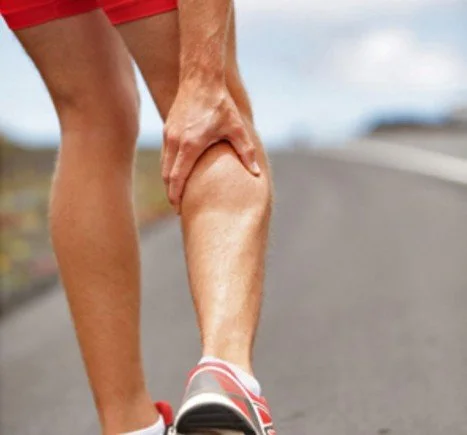
Got Cramps? What's Happening to Our Muscles?
Postural strain accumulates quietly, often unnoticed until a sudden twinge or persistent ache forces attention. In the workplace or at home, repeated micro-patterns—forward head carriage over a laptop, rounded shoulders from phone use, or prolonged standing with a tucked pelvis—reshape soft tissues and joint alignment over months and years. These adaptations are the body’s compromise: muscles shorten where tension is habitual and weaken where movement is limited, creating imbalances that alter movement efficiency and load distribution.
Corrective massage targets those maladaptive patterns by combining precise soft-tissue work with movement re-education. Rather than treating pain in isolation, the approach locates the originating tissues and neuromuscular behaviors that perpetuate dysfunction. Techniques such as deep tissue release, myofascial unwinding, and targeted trigger point therapy loosen adhesions and restore pliability to chronically shortened muscles. Concurrently, therapists will guide corrective exercises and postural cues that reinforce healthier motor patterns, helping the nervous system relearn optimal alignment.
One common example is the upper-crossed pattern: tight pectorals and levator scapulae paired with inhibited deep neck flexors and lower trapezius. Manual release to the chest and upper back reduces mechanical restriction, but without retraining scapular control and cervical stabilization, the imbalance returns. Effective corrective sessions are therefore iterative—each treatment reduces tissue barriers while prescribed movements and occupational adjustments translate those gains into lasting functional change.
Patients often notice immediate relief in range of motion and a reduction in localized pain, but durable improvements depend on consistency. Home-based mobility and strengthening routines, brief postural checks during daily tasks, and ergonomic adjustments form the bridge between clinic sessions. When integrated thoughtfully, corrective massage not only alleviates symptoms but rewires movement patterns, promoting resilience against future strain.
By Breandan Lyman, LMT
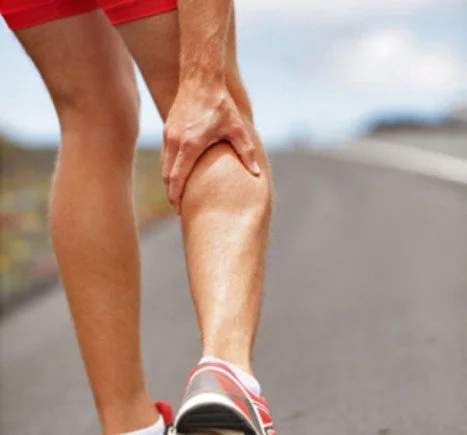
Leg cramps can occur often in endurance sports.
Cramps are without a doubt one of the more frustrating occurrences we have to deal with. Sometimes they come at the most inconvenient time. Whether it's during the day, while exercising or after a workout they can stop you in your tracks. The good news is there are ways we can get ahead of them so they happen less frequently and less severely.
Sports related cramps are scientifically termed Exercise-associated muscle cramps (EAMCs) and are defined as painful, involuntary contractions of a skeletal muscle during or shortly after exercise. Exercise-associated cramps typically occur in muscles that span multiple joints and are frequently used during exercise. (1)
Primary Causes of EAMC
According to Harvard Health there are multiple reasons why we cramp. Exercising without properly warming up the muscles can lead to cramps. They can also occur when a muscle is not able to relax properly (such as from a deficiency of magnesium or potassium in your diet) or when it becomes irritated by a buildup of lactic acid (which can happen if you don't rest your muscle after it has exercised a lot). Dehydration can worsen both of these problems.(2) Below is a list of the most likely reasons for EAMC to occur.
| Cause | Cause |
|---|---|
| Dehydration | Muscle overuse/overload |
| Electrolyte imbalance | Muscle strain |
| Exertion in hot/humid environments | Nerve compression |
| Extreme fatigue | Neuromuscular causes |
| Mineral depletion | Poor conditioning |
| Inadequate blood supply | Significant sweating |
| Holding a position for a prolonged period of time |
Massage Benefits:
During a cramp, the muscle is in a hyper-excitable state where the nerves misfire, causing the muscle to contract involuntarily. Massage can help calm these overactive nerve signals, reducing muscle spasms and promoting relaxation. Furthermore massage lowers our stress levels! When stress levels are high physically and emotionally, muscles are more likely to be tense and more predisposed to cramping. By relaxing muscular tension and increasing blood flow the muscles are regulated better and less likely to be vulnerable to seizing and cramping. (3)
Conclusion
While there are many reasons cramps occur during exercise, and there isn't a magic pill that will take away all the likelihood of them occurring, massage can be a useful preventative measure especially during higher levels or training or when first starting up and adding new stressors.
● Combining massage with assisted stretching ultimately increases blood flow and relaxes the muscles.
● By keeping track of how muscles respond after a massage or foam rolling session can help narrow in on a treatment plan that works for you and keep those frustrating cramps from happening less frequently!
References
1. https://pmc.ncbi.nlm.nih.gov/articles/PMC8775277/
2. https://www.health.harvard.edu/healthy-aging-and-longevity/take-that-muscle-cramps
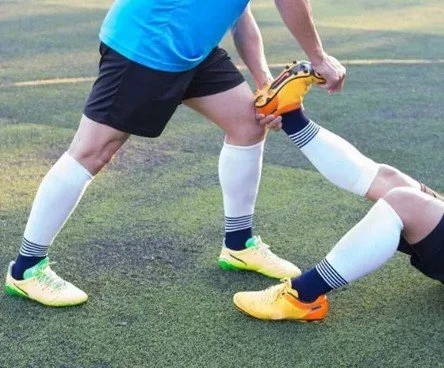
Stretching immediately can often relieve symptoms of a cramp

The Impact of Exercise on Bone Health: A Pathway to Stronger Bones
Weight-bearing exercises, where the body's weight is supported by the legs and feet, have been shown to be particularly effective in promoting bone health.

Maintaining healthy bones is essential for overall well-being, and exercise has long been recognized as a beneficial practice. In this article, we will explore a study, conducted by Mingyue, et al., that highlights the positive effects of exercise on bone metabolism. By understanding the connection between exercise and bone health, we can make informed decisions to promote stronger bones and improve our quality of life.
This research study examined the effects of an eight-week exercise program on bone metabolism in a group of individuals. The findings of this study suggested that regular exercise, particularly weight-bearing exercises like walking or strength training, can have significant benefits for bone health.
The study observed improvements in bone mineral density and markers of bone turnover, indicating that exercise positively affects bone metabolism. These changes can help reduce the risk of osteoporosis, a condition characterized by weakened and brittle bones, particularly in older individuals.

Weight-bearing exercises, where the body's weight is supported by the legs and feet, have been shown to be particularly effective in promoting bone health. Examples of weight-bearing exercises include walking, jogging, dancing, and stair climbing. These activities put stress on the bones, stimulating the body to build and strengthen bone tissue.
Mingyue’s results suggest that incorporating weight-bearing exercises into our regular routine, at least three to four times a week, can have a substantial impact on bone health. Engaging in these activities not only helps to strengthen bones but also improves balance, coordination, and overall physical fitness.
In addition to weight-bearing exercises, the study also highlighted the benefits of resistance training on bone health. Resistance training involves using weights, resistance bands, or bodyweight exercises to build muscle strength. This type of exercise places additional stress on the bones, stimulating bone growth and enhancing bone density.
By incorporating resistance training exercises such as lifting weights or using resistance bands into our fitness regimen, we can further promote bone strength and reduce the risk of fractures. It is important to note that proper form and technique should be followed to prevent injuries and maximize the benefits of resistance training.
While exercise is a critical factor in maintaining strong bones, it is essential to consider other elements that contribute to overall bone health. Adequate intake of calcium and vitamin D, through a balanced diet or supplements, if necessary, plays a vital role in supporting bone health.

The study discussed in this article highlights the significant benefits of exercise on bone health. Engaging in weight-bearing exercises and resistance training can improve bone mineral density and promote healthy bone metabolism. By incorporating these exercises into our routine, we can enhance our overall physical fitness and reduce the risk of osteoporosis and fractures.
It is important to consult with healthcare professionals or fitness experts before starting any exercise program, especially if you have pre-existing conditions or concerns. By making informed choices and adopting a proactive approach to bone health, we can enjoy a more active and fulfilling life while safeguarding the strength and integrity of our bones.
References:
Lu M, Li M, Yi L, Li F, Feng L, Ji T, Zang Y, Qiu J. Effects of 8-week High-Intensity Interval Training and Moderate-Intensity Continuous Training on Bone Metabolism in Sedentary Young Females. J Exerc Sci Fit. 2022 Apr;20(2):77-83. doi: 10.1016/j.jesf.2022.01.001. Epub 2022 Jan 5. PMID: 35096081; PMCID: PMC8762074.