Got Cramps? What's Happening to Our Muscles?
By Breandan Lyman, LMT
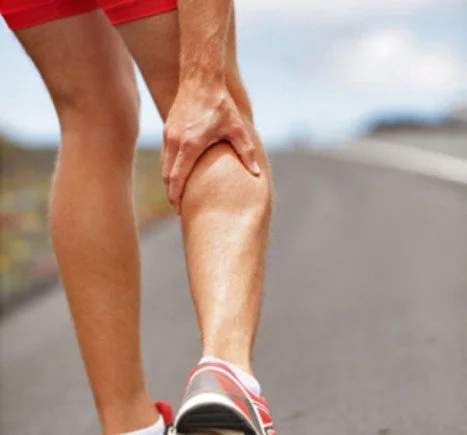
Leg cramps can occur often in endurance sports.
Cramps are without a doubt one of the more frustrating occurrences we have to deal with. Sometimes they come at the most inconvenient time. Whether it's during the day, while exercising or after a workout they can stop you in your tracks. The good news is there are ways we can get ahead of them so they happen less frequently and less severely.
Sports related cramps are scientifically termed Exercise-associated muscle cramps (EAMCs) and are defined as painful, involuntary contractions of a skeletal muscle during or shortly after exercise. Exercise-associated cramps typically occur in muscles that span multiple joints and are frequently used during exercise. (1)
Primary Causes of EAMC
According to Harvard Health there are multiple reasons why we cramp. Exercising without properly warming up the muscles can lead to cramps. They can also occur when a muscle is not able to relax properly (such as from a deficiency of magnesium or potassium in your diet) or when it becomes irritated by a buildup of lactic acid (which can happen if you don't rest your muscle after it has exercised a lot). Dehydration can worsen both of these problems.(2) Below is a list of the most likely reasons for EAMC to occur.
| Cause | Cause |
|---|---|
| Dehydration | Muscle overuse/overload |
| Electrolyte imbalance | Muscle strain |
| Exertion in hot/humid environments | Nerve compression |
| Extreme fatigue | Neuromuscular causes |
| Mineral depletion | Poor conditioning |
| Inadequate blood supply | Significant sweating |
| Holding a position for a prolonged period of time |
Massage Benefits:
During a cramp, the muscle is in a hyper-excitable state where the nerves misfire, causing the muscle to contract involuntarily. Massage can help calm these overactive nerve signals, reducing muscle spasms and promoting relaxation. Furthermore massage lowers our stress levels! When stress levels are high physically and emotionally, muscles are more likely to be tense and more predisposed to cramping. By relaxing muscular tension and increasing blood flow the muscles are regulated better and less likely to be vulnerable to seizing and cramping. (3)
Conclusion
While there are many reasons cramps occur during exercise, and there isn't a magic pill that will take away all the likelihood of them occurring, massage can be a useful preventative measure especially during higher levels or training or when first starting up and adding new stressors.
● Combining massage with assisted stretching ultimately increases blood flow and relaxes the muscles.
● By keeping track of how muscles respond after a massage or foam rolling session can help narrow in on a treatment plan that works for you and keep those frustrating cramps from happening less frequently!
References
1. https://pmc.ncbi.nlm.nih.gov/articles/PMC8775277/
2. https://www.health.harvard.edu/healthy-aging-and-longevity/take-that-muscle-cramps
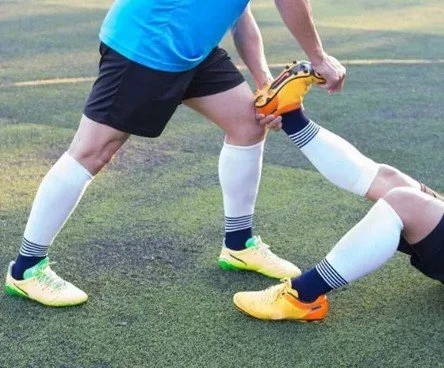
Stretching immediately can often relieve symptoms of a cramp
