Can Massage Help with Sciatica?
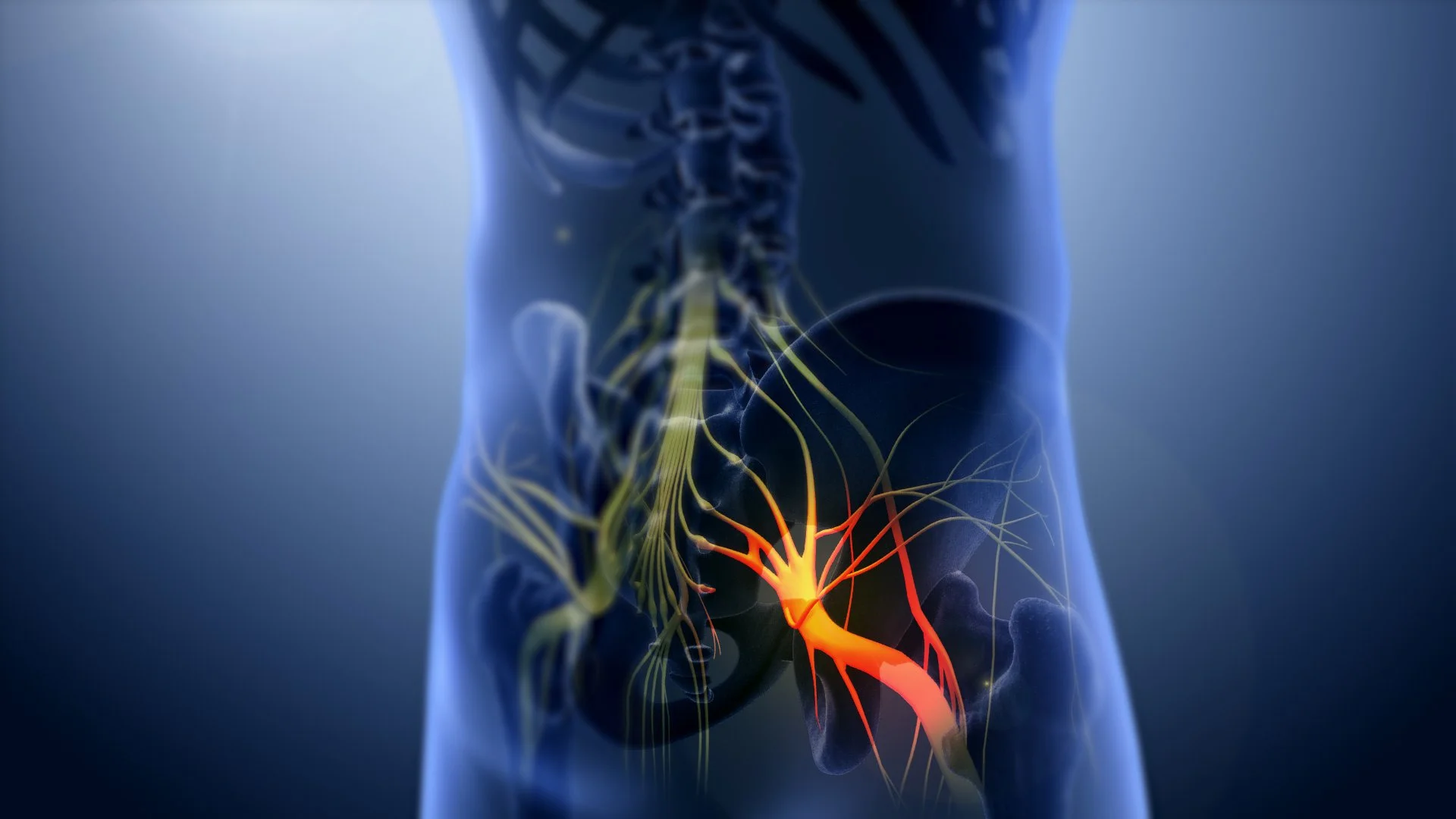
Image depicting an irritated sciatic nerve
If you've ever dealt with sciatica, you know it's not just a little back ache. The sciatic nerve is the largest nerve in the body, running from the lower back all the way down through the buttocks and into each leg. When it gets compressed or irritated, the result can be sharp, radiating pain, tingling, numbness, or weakness that makes even simple daily tasks feel overwhelming.
The lifetime incidence of sciatica is reported to be anywhere between 10% and 40%, with peak occurrence in a person's forties (Davis et al., 2024). For many people, it becomes a recurring issue that significantly impacts quality of life.
At reGen, we work with clients dealing with chronic pain conditions every day, and sciatica is one of the most common. The good news is that there is a growing body of research supporting massage therapy as an effective, non-pharmacological tool for managing it.
What Research Shows
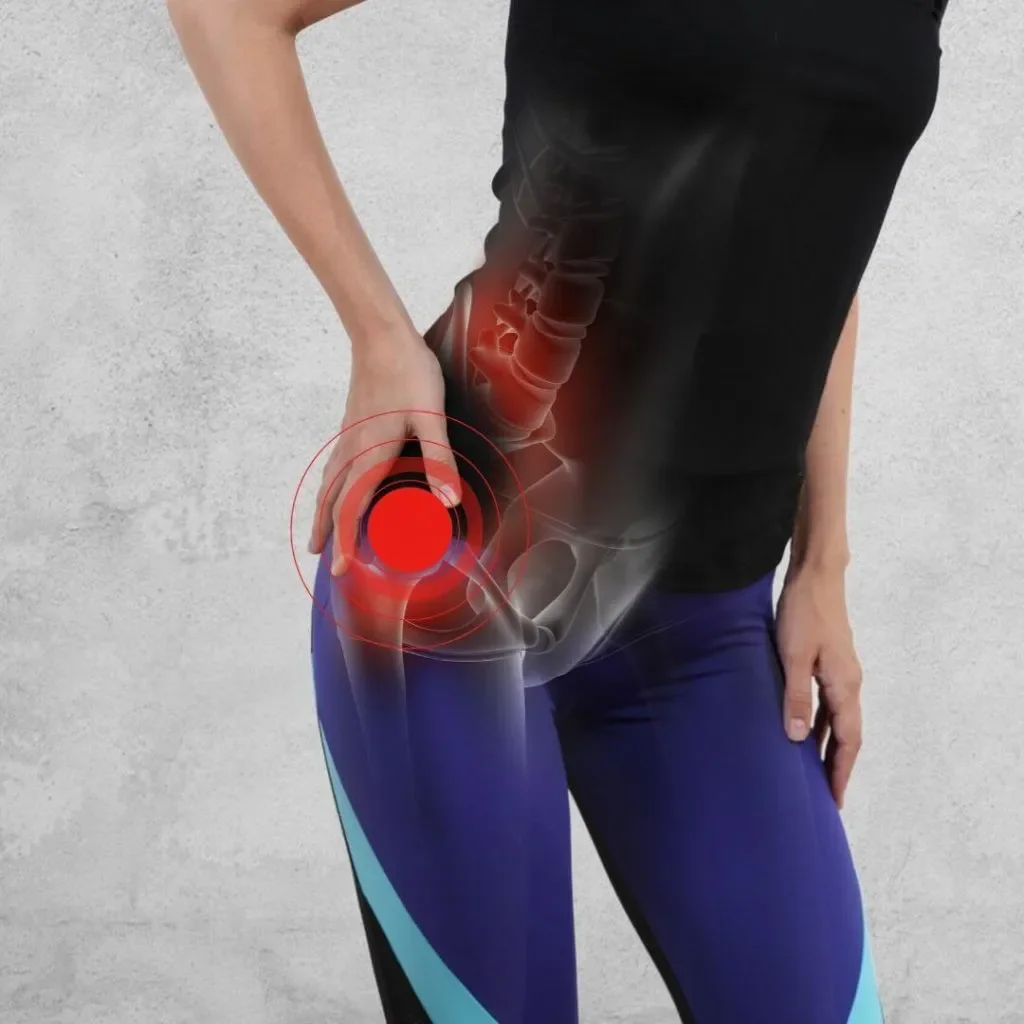
Hip pain caused by sciatica
One of the most interesting points when considering massage for sciatica treatment is the ability to address multiple contributing factors at once. Tight muscles in the lumbar region, hips, and glutes can place direct pressure on the sciatic nerve. Massage therapy works by targeting these muscles directly, reducing the tension that contributes to nerve compression (Odney, 2020), which can sometimes address a root cause of the problem rather than just masking symptoms.
A 2008 case study published in the Journal of Bodywork and Movement Therapies followed a client who had been experiencing daily low back pain and sciatica symptoms for nine months. Over a 10-week program of weekly 45-minute massage sessions focused on the lumbar spine, pelvis, and lower extremity, the client showed meaningful reductions in pain intensity along with consistent improvements in range of motion and ability to perform daily activities (Bell, 2008). While a single case study has its limitations, the results were encouraging and pointed toward massage as a meaningful part of a broader treatment plan.
Research also supports massage for the low back pain that so often accompanies sciatica. A 2014 prospective randomized trial published in the Scientific World Journal found that deep tissue massage produced significant reductions in pain and disability in patients with chronic low back pain, and that these results were comparable to those achieved with a combined approach of deep tissue massage and NSAIDs (Majchrzycki et al., 2014). For clients who prefer to avoid medication or who cannot tolerate it, that finding is worth noting.
Specific Massage Techniques May Help
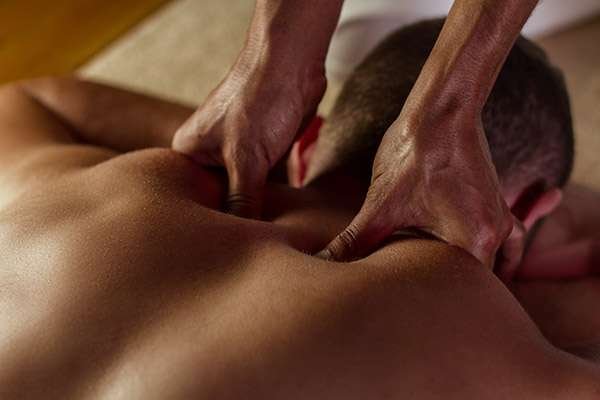
Not all massage modalities are the same, and when it comes to sciatica, technique matters. Deep tissue massage is often the first choice because of its ability to reach the deeper muscle layers that can press against the nerve. Trigger point therapy is another highly targeted approach that identifies specific areas of muscular tension and works to release them directly. Myofascial release, which focuses on the connective tissue surrounding muscles, can also be effective, particularly when restricted fascia is contributing to nerve irritation. A skilled therapist will draw on several of these methods depending on what they find during assessment, tailoring each session to the individual (Odney, 2020).
Caveat
Massage is most effective as part of a comprehensive care plan. Anyone experiencing sciatica symptoms should consult with their primary care physician before beginning massage therapy, since more serious underlying conditions like herniated discs or spinal stenosis may be involved (Odney, 2020). Once a diagnosis is in place, massage can be a powerful partner to other treatments rather than a standalone fix.
If sciatica has been limiting your daily life, we would love to talk through what a corrective massage approach might look like for you. Reach out to us at reGen Corrective Massage to schedule a consultation.
References
Bell, J. (2008). Massage therapy helps to increase range of motion, decrease pain and assist in healing a client with low back pain and sciatica symptoms. Journal of Bodywork and Movement Therapies, 12(3), 281–289. https://doi.org/10.1016/j.jbmt.2008.01.006
Davis, D., Taqi, M., & Vasudevan, A. (2024). Sciatica. In StatPearls [Internet]. StatPearls Publishing. https://www.ncbi.nlm.nih.gov/books/NBK507908/
Majchrzycki, M., Kocur, P., & Kotwicki, T. (2014). Deep tissue massage and nonsteroidal anti-inflammatory drugs for low back pain: A prospective randomized trial. The Scientific World Journal, 2014, Article 287597. https://doi.org/10.1155/2014/287597
Odney, A. (2020, March 3). Massage therapy for sciatic nerve pain. American Massage Therapy Association. https://www.amtamassage.org/publications/massage-today/massage-sciatic-nerve-pain/